Retro Roller Skate SVG Design Review
As a designer who spends more time staring at stitch charts than actual roller rinks, I approach every new digital asset with a mix of curiosity and skepticism. The market is flooded with generic graphics, so finding something that bridges the gap between Illustrations and practical Graphics for production is rare. That is why I decided to put the Retro Roller Skate SVG Design through its paces. This isn’t just about how it looks on a screen; it is about how it translates when pulled through an embroidery machine, stitched into fabric, and ultimately sold or gifted to a customer.
The First Impression: Mood and Visual Personality
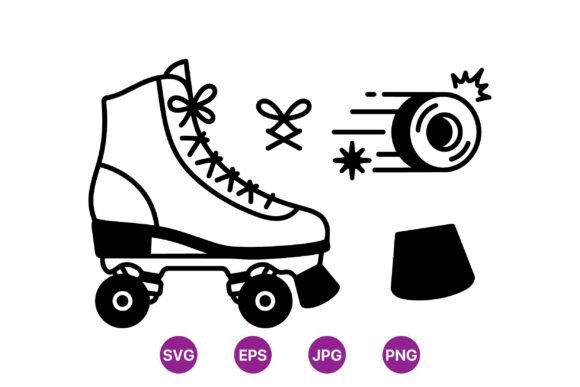
When you first load the Retro Roller Skate SVG Design, the immediate takeaway is its clean, minimalist aesthetic. The flat design style relies on high-contrast black and white elements, which immediately signals a modern yet nostalgic vibe. The composition features a classic roller skate alongside a flying wheel and a stop cone, creating a dynamic sense of movement. For a designer, this kinetic energy is crucial. It prevents the design from feeling static or dull, even in a simplified format.
The visual personality here is bold and unapologetic. It screams "retro cool" without relying on cluttered details that often get lost in stitching. This makes it an excellent candidate for various applications, from custom apparel to boutique branding. The layout suggests speed and agility, which adds emotional weight to the finished product. Whether you are creating a handmade product for a craft fair or a personalized gift for a skater’s birthday, this design carries a distinct character that stands out against plain backgrounds.
Real-World Application: From Screen to Stitch
I tested this embroidery file concept by imagining it on several different substrates. The most natural fit appears to be a tote bag design. The stark black and white palette contrasts beautifully against canvas or denim, making the motif pop without overwhelming the bag’s utility. Imagine a sturdy tote with this design centered on the front panel; it feels like a statement piece that balances streetwear aesthetics with everyday functionality.
Another strong use case is sweatshirt embroidery. The retro theme aligns perfectly with current trends in vintage-inspired activewear. When applied to a heather gray or black sweatshirt, the white elements of the design can serve as negative space highlights, while the black lines provide definition. However, care must be taken with thread selection to ensure the black stitches do not blend too much into dark fabrics, potentially losing the intricate lace details of the skate.
This design also lends itself well to embroidered patch applications. Because the graphic is self-contained and has clear boundaries, it translates easily into a detachable badge. These patches can be sewn onto caps, hats, backpacks, or even denim jackets, offering versatility for Etsy sellers looking to create modular accessories. The flying wheel element adds a playful touch that appeals to younger demographics, making it suitable for baby embroidery projects like onesies or nursery decor, provided the scale is adjusted appropriately.
Technical Considerations and Potential Pitfalls
While the vector art is clean, translating it to physical thread requires strategic planning. One area where this design needs careful handling is on small hoop sizes. The detail level, particularly around the laces and the stop cone, may become muddy if the design is scaled down too far. In such cases, the individual stitches might merge, turning crisp lines into blobs. It is essential to confirm the minimum viable hoop size before committing to small items like wristbands or tiny keychains.
Fabric texture plays a significant role in the final look. On highly textured fabrics, such as heavy wool or bouclé, the fine lines of the running stitch may disappear. Similarly, stretchy fabrics like jersey knit require a proper stabilizer to prevent distortion. If the underlying fabric stretches during stitching, the circular shape of the wheel may warp into an oval, ruining the geometric integrity of the machine embroidery design.
Dark fabric presents another challenge. While the black elements will vanish, the white elements need sufficient density to stand out. If the white thread is too sparse, the background fabric will show through, creating a patchy appearance. Conversely, using too many layers of white thread can cause puckering. Testing thread color contrast on scrap fabric is non-negotiable here. You must inspect small details under good lighting to ensure they remain legible after stitching.
Stitch Density and Construction
The design likely utilizes a combination of satin stitch for outlines and fill stitch for solid areas. Satin stitch provides a smooth, professional edge, which is vital for the curved shapes of the skate wheels. Fill stitch adds body and texture, but excessive density can make the garment stiff and uncomfortable. A balanced approach ensures the finished product remains wearable and soft to the touch. If the design includes applique elements, those should be checked for clean edges and secure attachment points.
Impact on Product Value and Brand Consistency
Using a well-executed design like Retro Roller Skate SVG Design elevates the perceived value of your offerings. Customers associate clean, precise embroidery with quality craftsmanship. When buyers see a sharp, recognizable image on a finished product, it builds trust in your brand. It signals that you pay attention to detail, which is a key factor in customer retention for craft business owners.
Furthermore, the retro theme has broad appeal. It taps into nostalgia, which is a powerful marketing tool. This makes the design highly giftable for holidays, birthdays, or special occasions. A holiday embroidery project featuring this motif could serve as a unique alternative to traditional seasonal decorations, appealing to those who appreciate modern design sensibilities.
Practical Designer Notes for Success
To get the best results from this digital embroidery file, follow these practical steps:
- Test on Scrap Fabric: Always run a test stitch-out on the same type of fabric you plan to use. This reveals issues with tension, density, or color contrast before you commit to the final item.
- Check Thread Colors: Experiment with different thread shades. Sometimes a slightly off-black or a bright white can enhance the contrast depending on your base fabric.
- Review Stitch Density: Ensure the design is not too dense for the chosen fabric weight. Light fabrics require lighter stitches to avoid tearing.
- Confirm Licensing: Before selling any commercial embroidery products, verify the license terms. Some designs allow personal use only, while others permit commercial sales of finished goods.
- Use Proper Stabilizer: Choose a stabilizer that matches the fabric’s stretch and weight. Cut-away stabilizers are generally safer for stretchy materials, while tear-away works well for stable woven fabrics.
- Inspect Small Details: Zoom in on the digital file to identify any tiny elements that might not translate well to thread. Simplify or remove them if necessary.
- Compare Backgrounds: View the design in black and white mockups on both light and dark backgrounds to ensure visibility and impact across different product variations.
In conclusion, the Retro Roller Skate SVG Design offers a versatile, stylish option for designers looking to add a touch of retro flair to their projects. Its minimalist approach ensures clarity and impact, making it suitable for a wide range of embroidery project types. By paying attention to technical details like stitch density and fabric choice, you can create stunning small shop products that resonate with customers and drive engagement. Whether you are an Etsy seller expanding your catalog or a hobbyist crafting a personalized gift, this design provides a solid foundation for creative success.